Nōbō akyashya kyarabaya on arikya maribori sowaka
〒771-5173 徳島県阿南市 加茂町龍山2
👁️ Street View in front of the temple 🧭 Directions with Google Maps (to the temple gate) 🚗 By car: to the car park 📍 Open in a map app
Temple map
Buildings found in OpenStreetMap. Faded: uncertain position. The map may be incomplete: a building missing here may still exist on site. See the temple in Google Maps ↗
Blue: trail from the previous temple · red: to the next temple · 🛖: henro goya (hut). Tap a trail to open Street View at that spot.
🪨 A Shinnen milestone (1687) is reported on this stage : Anan-shi, Asebi-chō Ōne, départ de la pente (emplacement ou état incertain). Learn more
- km 6,3 · n°3 Asebi ヘンロ小屋第03号 阿瀬比 · Street View
- km 9,3 · n°47 Ōne ヘンロ小屋第47号 大根 · Street View
🚗 To temple 22 Byōdō-ji : 13.5 km · 25min by car
Pilgrims’ trail from OpenStreetMap; walking time computed from the terrain, plus half for breaks.
🗺️ All the stages at a glance: on foot or by public transport →
History
Kōbō Daishi’s place of ascetic practice as a young man
Kūkai mentions his austerities on Tairyū peak in the Sangō Shiiki (797). According to tradition, at the age of nineteen he practised the Kokūzō Gumonji-hō here, reciting the mantra of Kokūzō Bosatsu a million times during a hundred-day retreat.
Imperial founding and feudal patronage
According to tradition, halls were built here in 793 by decree of Kanmu. Kōbō Daishi is said to have carved the image of Kokūzō Bosatsu. The name Shashinzan comes from the Shashingaku; the temple’s name recalls the dragon that, according to legend, protected Kūkai.
Ups and downs, revival and protected architecture
Head of twelve secondary temples at the end of the Heian period, Tairyū-ji suffered in the wars of the Tenshō era. Rebuilt under the Hachisuka, it is nicknamed the “Kōya of the West” (Nishi no Kōya).
Sources: Shikoku 88 Temples Association — Tairyū-ji ; Anan City — Tairyū-ji ; Tokushima Tourism (Awanavi) — Tairyū-ji.
Description
A monastic citadel in the mist of the ridges
Standing near the summit of Mount Tairyūji (618 metres), in the heart of the mountains of Anan, Tairyū-ji impresses with its size and solemn atmosphere. Its halls are scattered over the wooded slopes, linked by wide stone stairways lined with giant cedars several centuries old. Its Niōmon gate dates from the Kamakura period; the Hondō dates from 1852 and the Daishidō from 1877.
The Shashingaku lookout and the ropeway
About fifteen minutes’ walk south-west of the main precinct, a steep path leads to the dizzying Shashingaku lookout (舎心嶽). On this rocky cliff facing east towards the distant Pacific sits an imposing bronze statue of Kōbō Daishi in meditation, commemorating his youthful austerities. Long known as one of the hardest passages of the walking pilgrimage, the sanctuary can now also be reached by the Tairyūji ropeway, opened in 1992 and known for its long panoramic crossing over the valley of the Naka River.
Sources: Shikoku 88 Temples Association — Tairyū-ji ; Anan City — Tairyū-ji ; Tokushima Tourism (Awanavi) — Tairyū-ji.
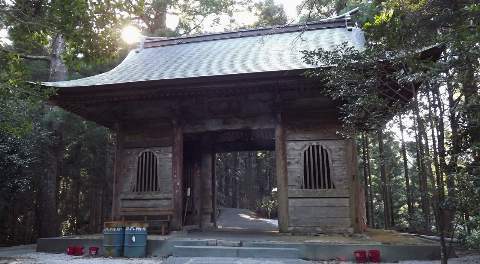
Photo : Araiyasushige, CC0, Wikimedia Commons
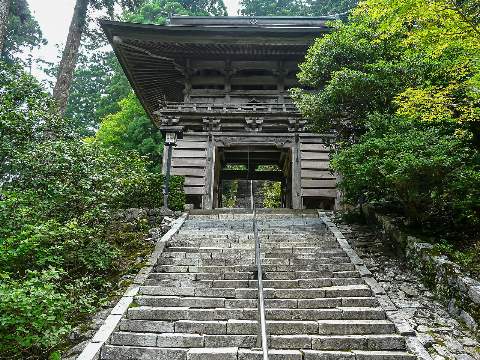
Photo : Naokijp, CC BY-SA 4.0, Wikimedia Commons
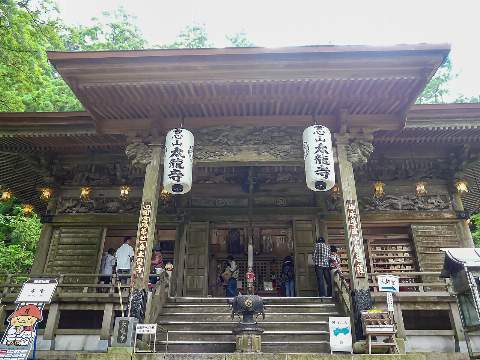
Photo : Naokijp, CC BY-SA 4.0, Wikimedia Commons
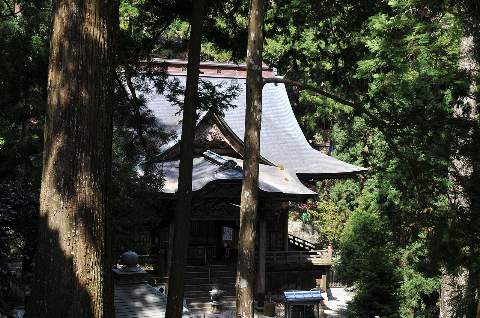
Photo : Reggaeman, CC BY-SA 3.0, Wikimedia Commons
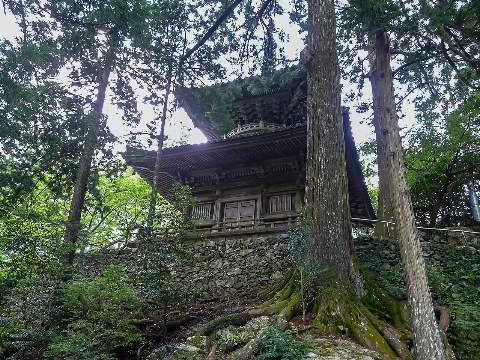
Photo : Naokijp, CC BY-SA 4.0, Wikimedia Commons
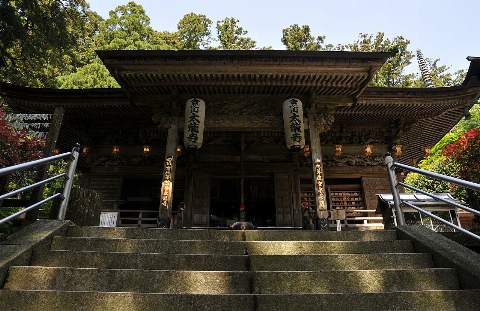
Photo : Reggaeman, CC BY-SA 3.0, Wikimedia Commons
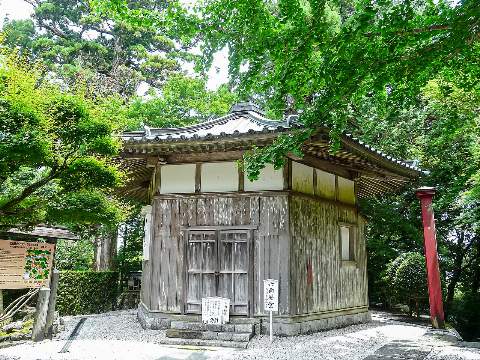
Photo : Naokijp, CC BY-SA 4.0, Wikimedia Commons