Shikoku pilgrimage guide
🧭 Discover
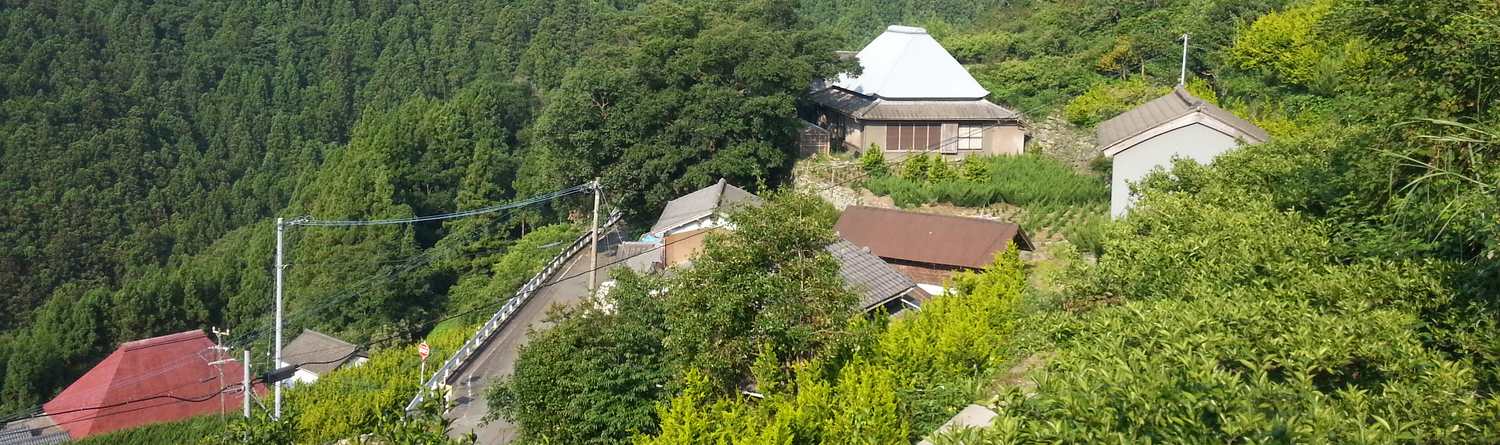 Introducing Shikoku
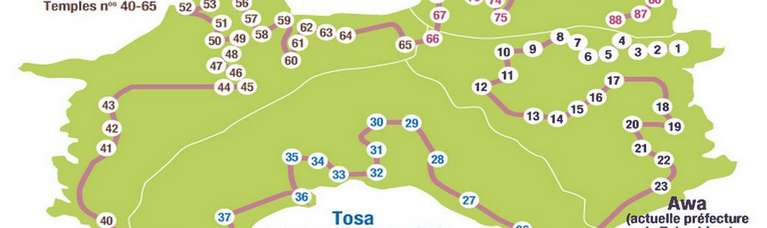 Hachijūhachi kasho: what is it?
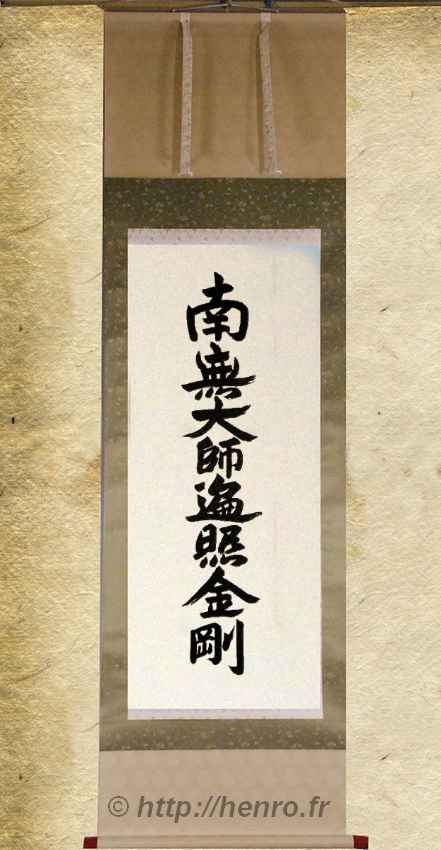 Kōbō Daishi (Kūkai)
 The spirituality of the Shikoku pilgrimage: walking together
📜 History and spirituality
Kōbō Daishi (Kūkai)
The spirituality of the Shikoku pilgrimage: walking together
Hachijūhachi kasho: what is it?
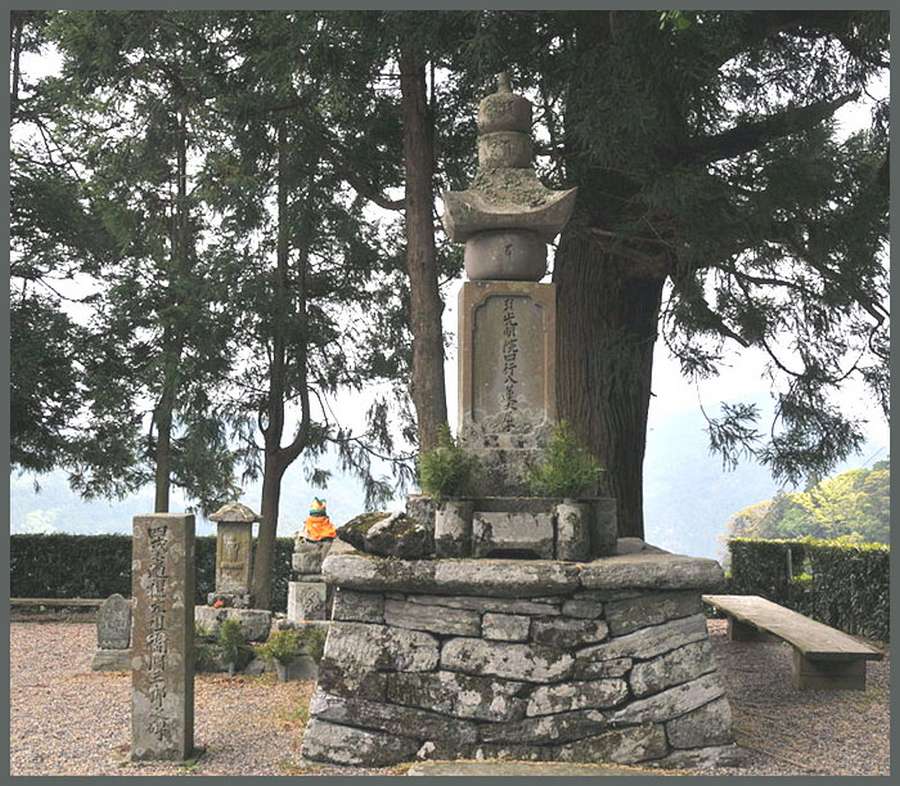
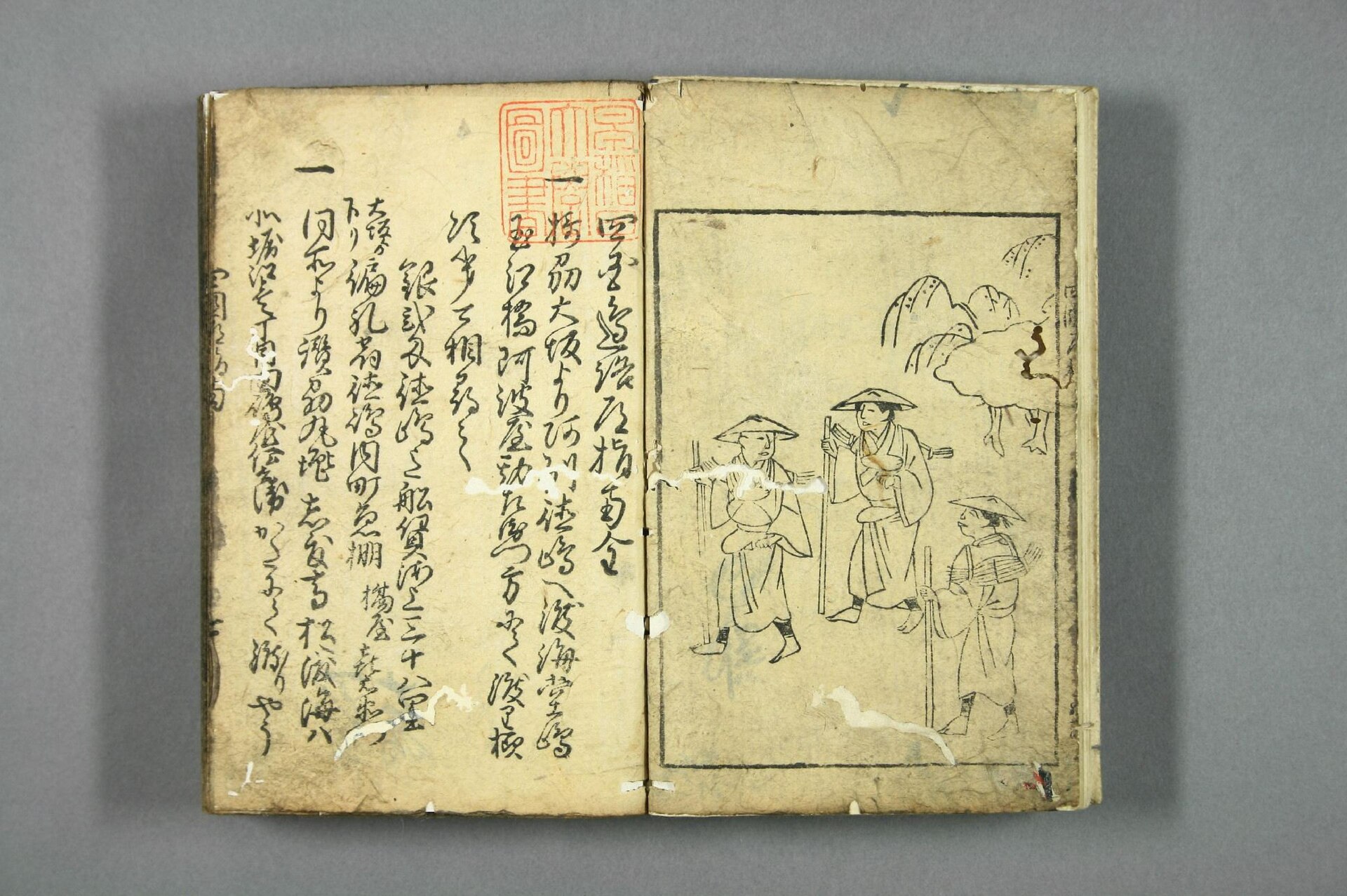 Shinnen: his 1687 guide and his milestones
The 1687 guide: the Shikoku henro michishirube
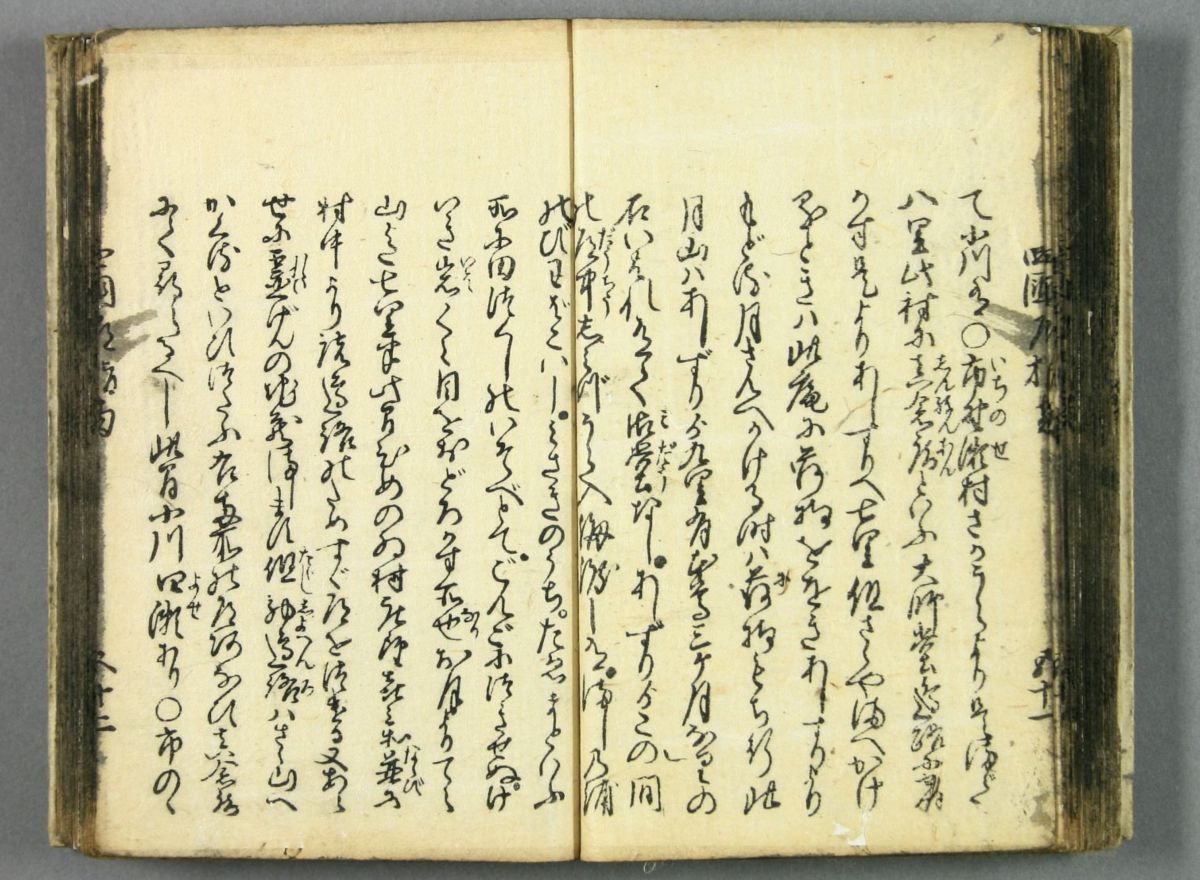 Shinnen and the first zenkonyado: who gave pilgrims a bed in 1687?
A wandering monk who slept outdoors more often than most, Shinnen built a shelter, printed the names of those who lodged pilgrims, and turned an isolated gesture into a Shikoku custom.
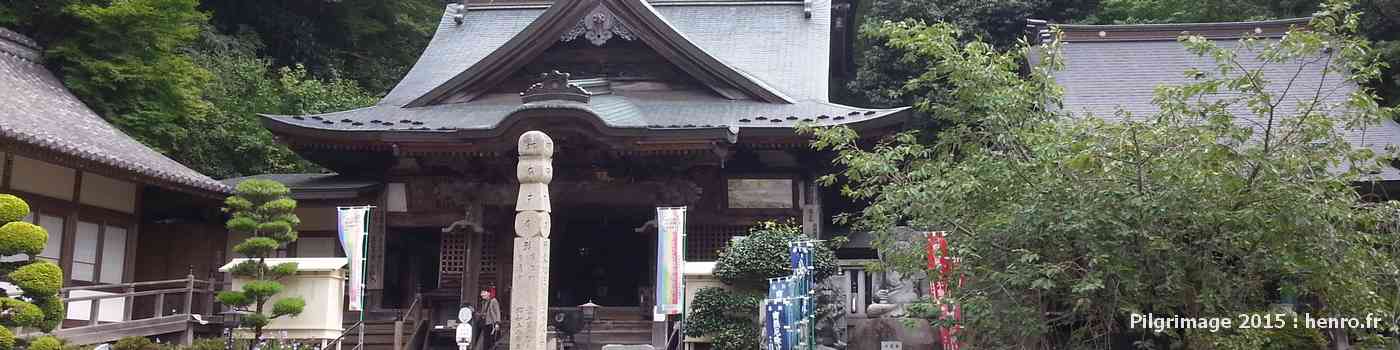 From temple 88 to temple 1: closing the loop
After reaching temple 88 Ōkubo-ji, pilgrims can close the loop by returning to temple 1 Ryōzen-ji or continue on to Mount Kōya.
🎒 Preparing and getting there
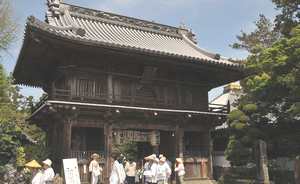 Where to start the Shikoku pilgrimage, and how to get there
 Getting to Tokushima and temple 1, Ryōzen-ji
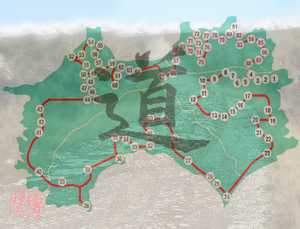
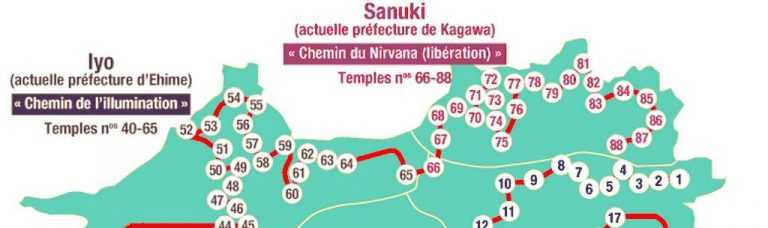 Maps of the temples of the Shikoku pilgrimage
Interactive map of the Shikoku pilgrimage of the 88 temples (henro michi) featuring the 88 main temples of the pilgrimage. This map provides an overview of the provinces of Shikoku traveled during the pilgrimage (henro michi).
 The trail stage by stage: on foot or by public transport
🛏️ Where to stay
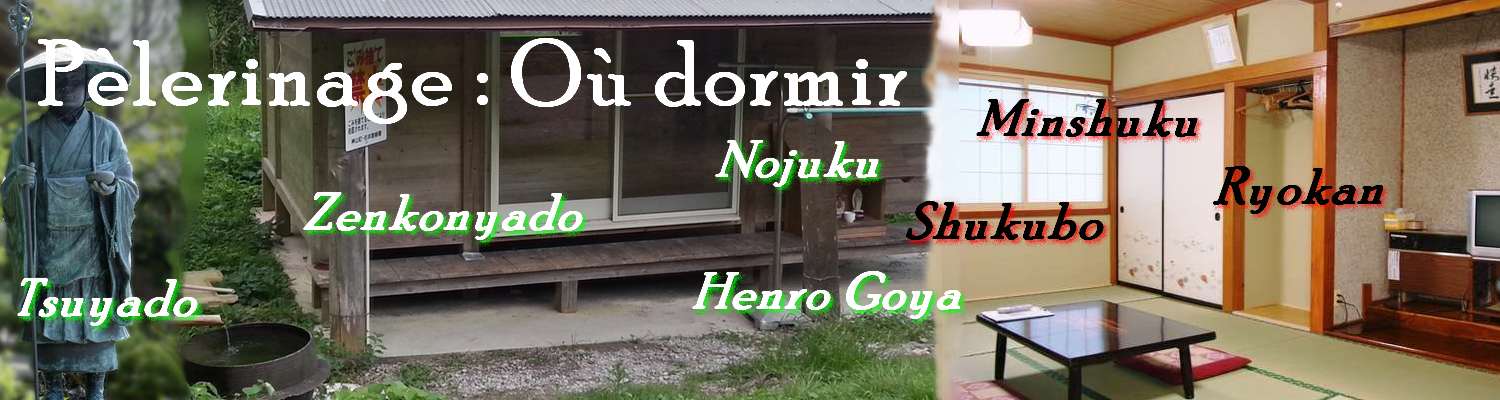 Shikoku pilgrimage: where to stay
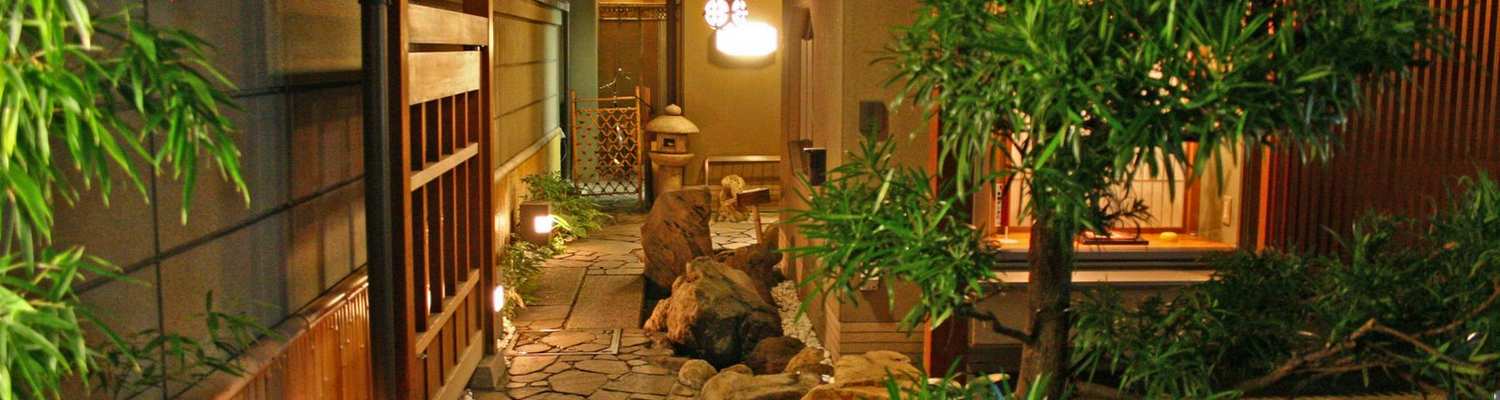 Ryokan
The ryokan, the traditional Japanese inn. Sleeping in a ryokan is an unforgettable experience, an encounter with luxury, Japanese aesthetics, and the Japanese spirit.
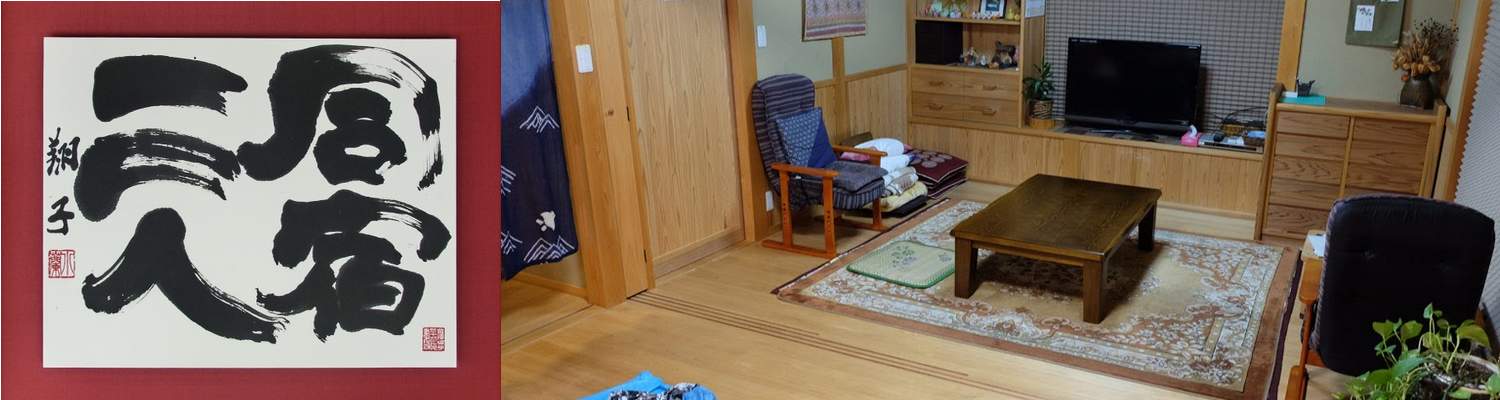 Henro House
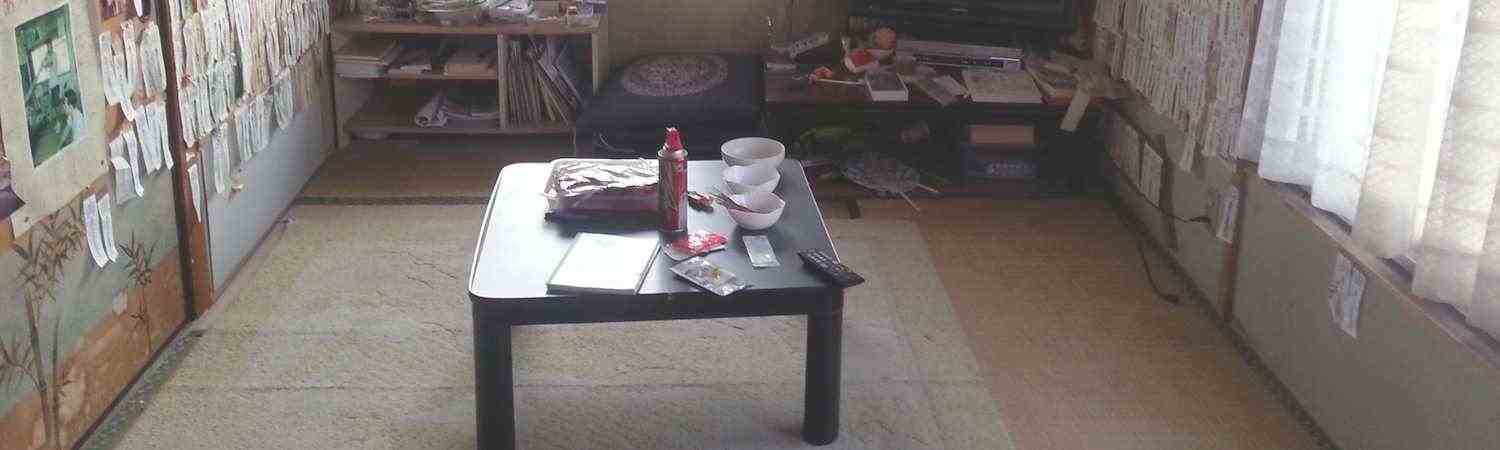 Zenkonyado
 (善根宿) is a place to sleep provided to Shikoku pilgrims by local residents free of charge or for a very modest financial contribution.
Shinnen and the first zenkonyado: who gave pilgrims a bed in 1687?
A wandering monk who slept outdoors more often than most, Shinnen built a shelter, printed the names of those who lodged pilgrims, and turned an isolated gesture into a Shikoku custom.
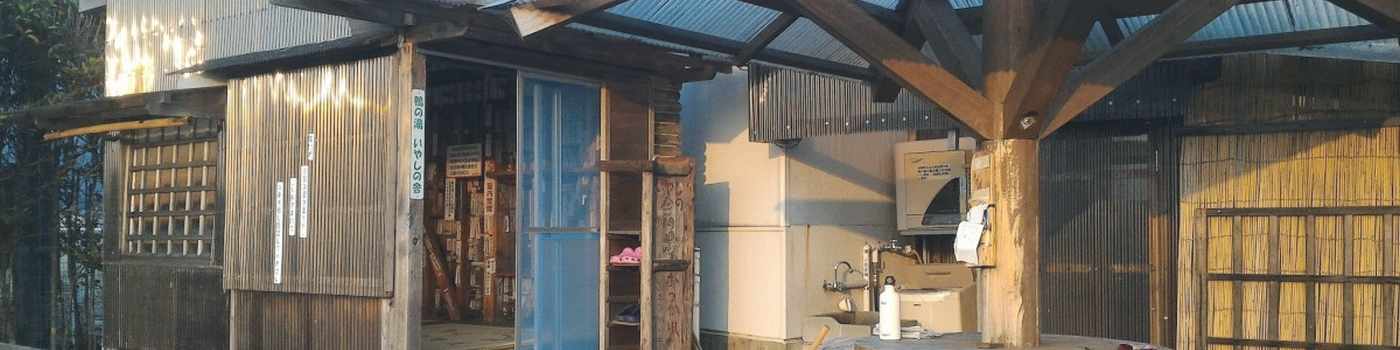 Henro Goya
: huts made available to Shikoku pilgrims
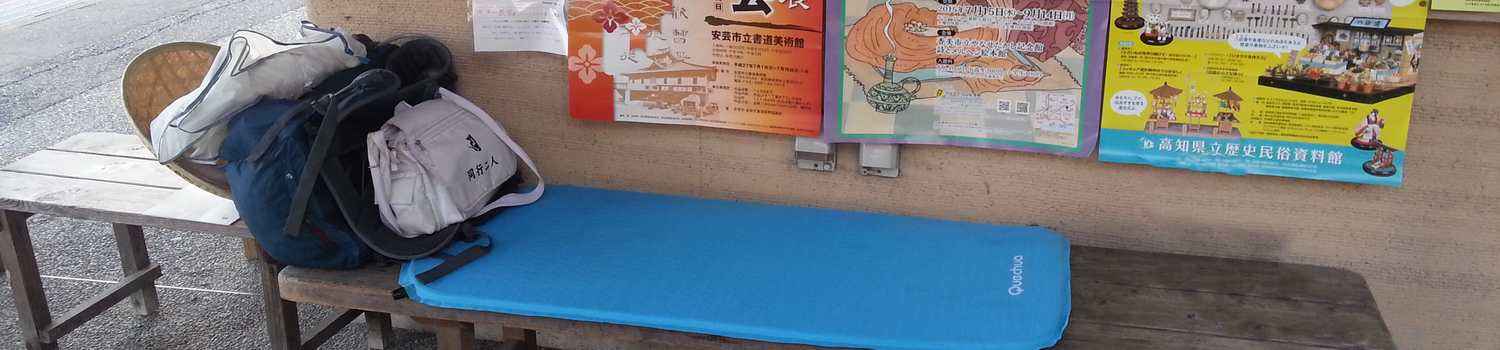 Nojuku
 (野宿), sleeping outdoors is an unforgettable spiritual experience for walking pilgrims (aruki henro) and so practical for budget travelers.
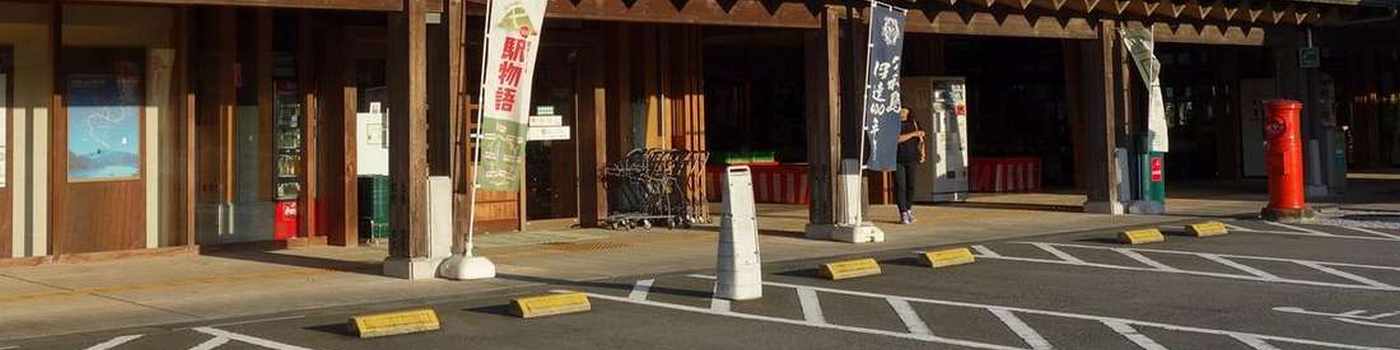 Michi no eki: roadside stations for Shikoku pilgrims
Roadside stations (michi no eki) are valuable stops for the walking pilgrim in Shikoku. Can you sleep there? Our review.
🚶 On the trail
The trail stage by stage: on foot or by public transport
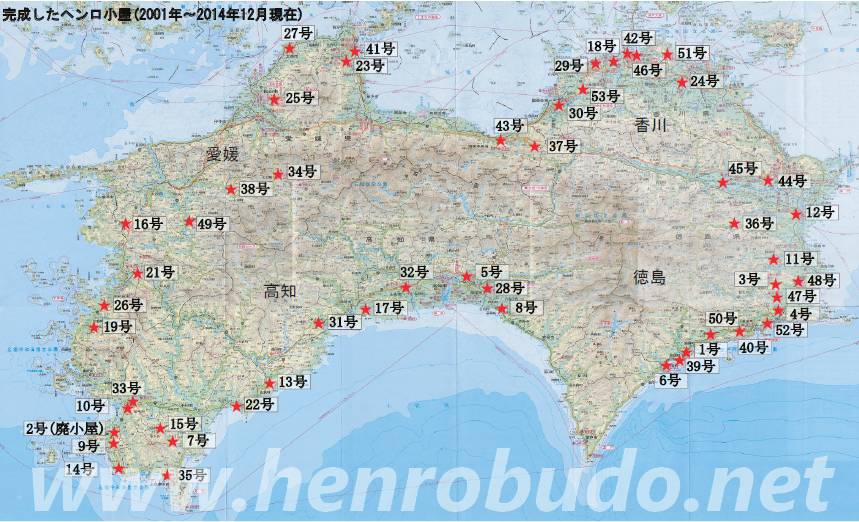 Henro Goya maps
Map showing all the henro goya (henro huts), small huts built by local communities in Shikoku. For the aruki henro (walking pilgrim), it is a place to enjoy a moment of sheltered rest.
Michi no eki: roadside stations for Shikoku pilgrims
Roadside stations (michi no eki) are valuable stops for the walking pilgrim in Shikoku. Can you sleep there? Our review.
From temple 88 to temple 1: closing the loop
After reaching temple 88 Ōkubo-ji, pilgrims can close the loop by returning to temple 1 Ryōzen-ji or continue on to Mount Kōya.